- A+
category:Радыятар
When it comes to maintaining or upgrading your vehicle's cooling system, the radiator is the heart of the operation. In the aftermarket today, you will primarily encounter two types: Aluminum-Plastic (Plastic Tank) and All-Aluminum.
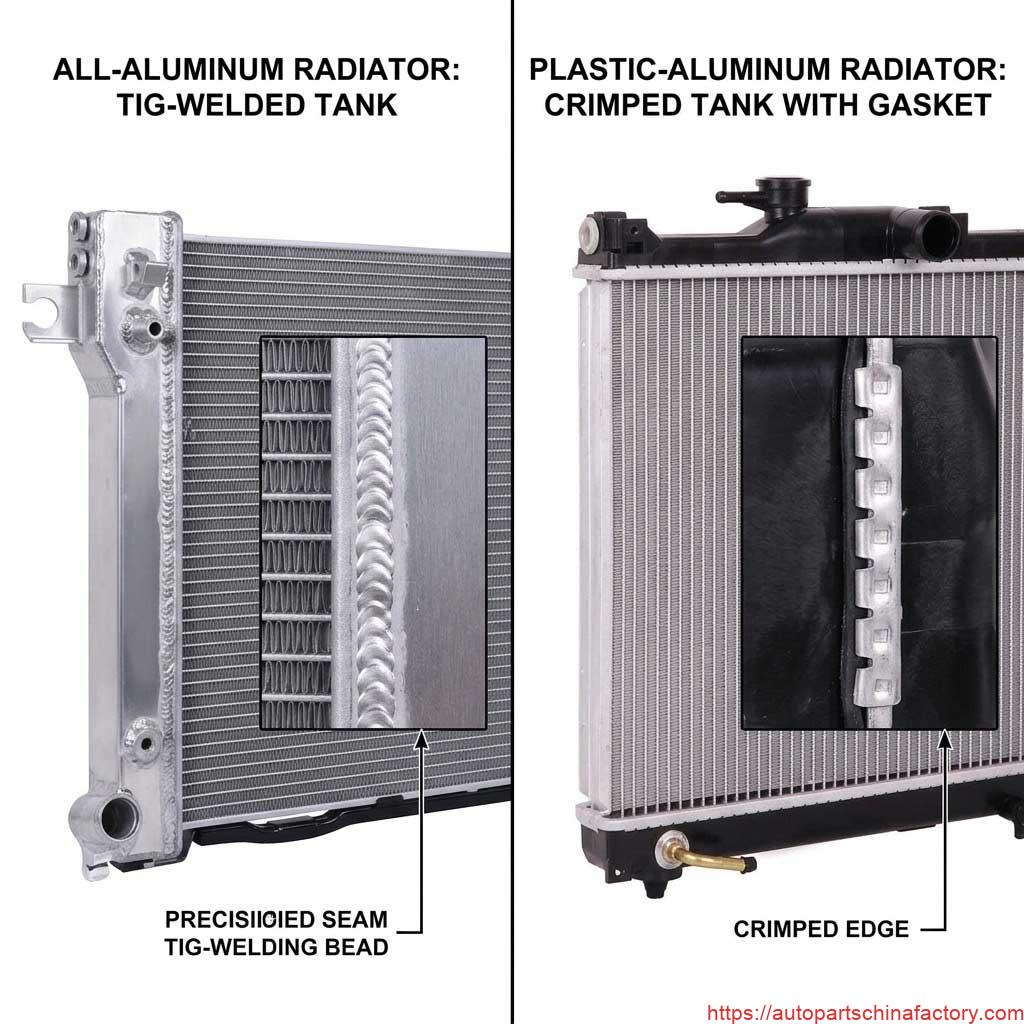
Which one is right for your vehicle? This guide breaks down the materials, performance, lifespan, and costs to help you make an informed decision.
Contents
hide
1. Materials and Construction
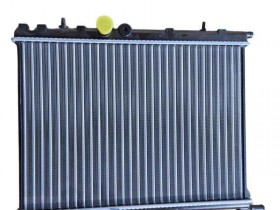
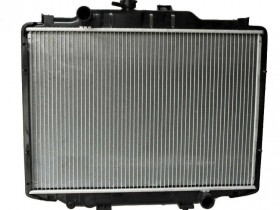
Aluminum-Plastic Radiators
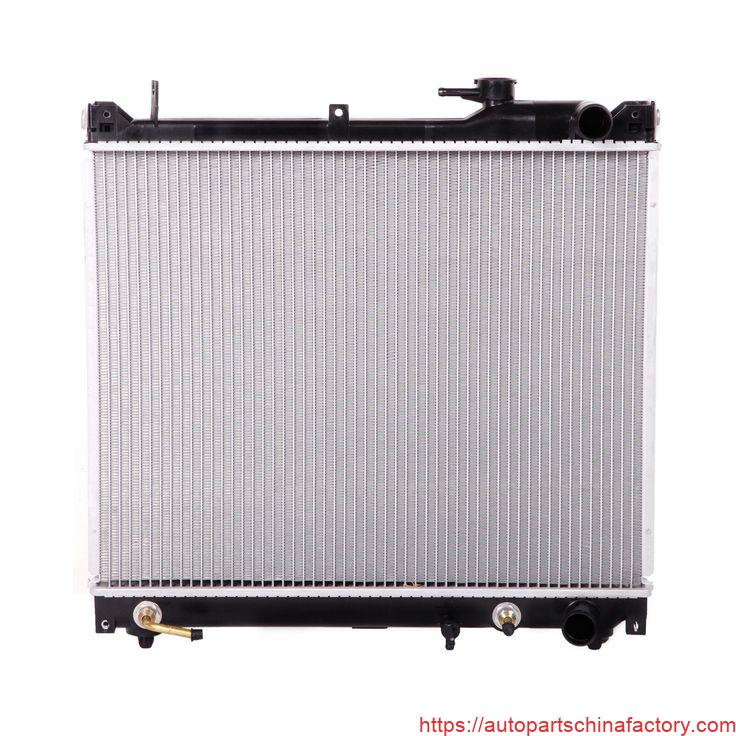
This is the standard Original Equipment (OE) design for most modern passenger cars.
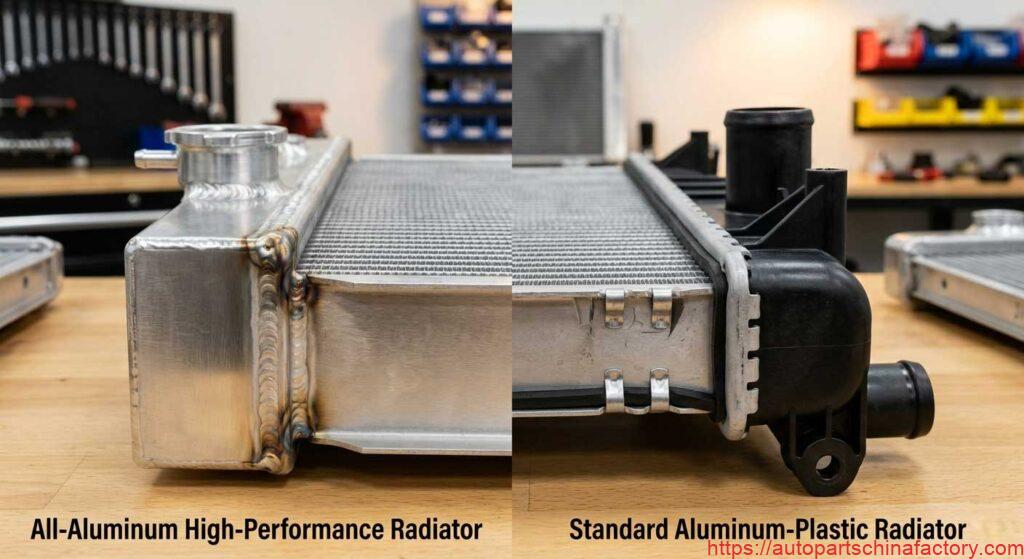
- Structure: An aluminum core (tubes and fins) crimped to plastic end tanks (usually PA66 nylon) using a rubber gasket.
- Design Goal: Lightweight and cost-effective mass production.
All-Aluminum Radiators
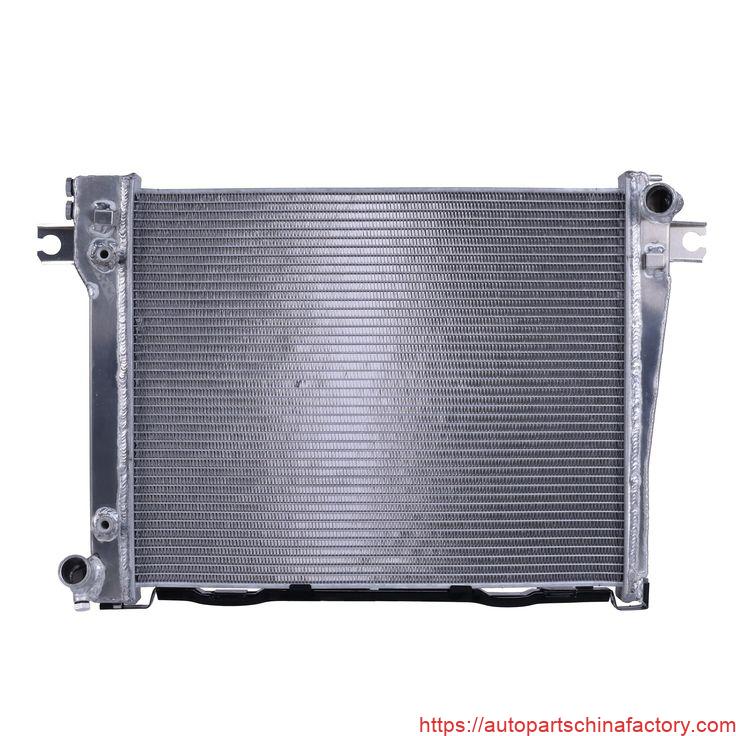
Commonly used in performance cars, heavy-duty trucks, and racing applications.
- Structure: The entire unit—including the tanks—is made of aluminum. The tanks are TIG-welded or brazed directly to the core.
- Design Goal: Maximum durability and heat dissipation.
2. Performance and Heat Dissipation
| Feature | Aluminum-Plastic | All-Aluminum |
| Cooling Efficiency | Adequate for daily driving. | Superior. Aluminum tanks also contribute to heat dissipation. |
| Pressure Resistance | Moderate; plastic tanks can crack under extreme pressure. | High; welded seams handle high-pressure racing caps easily. |
| Temperature Tolerance | Plastic can become brittle after thousands of heat cycles. | Excellent; metal is unaffected by standard engine temperature fluctuations. |
3. Lifespan and Reliability
- The "Plastic" Weak Point: The most common failure in standard radiators isn't the aluminum core—it’s the plastic tank or the rubber gasket. Over time, the plastic becomes brittle and cracks, or the crimped seal begins to leak.
- The "All-Aluminum" Advantage: By removing plastic and rubber gaskets, you eliminate the primary points of failure. An all-aluminum radiator is built to last the lifetime of the vehicle, provided high-quality coolant is used.
4. Price and Value
- Aluminum-Plastic: These are significantly more affordable. If you are looking for a budget-friendly repair to get a standard daily driver back on the road, this is the logical choice.
- All-Aluminum: These are a premium investment. They typically cost 50% да 100% more than plastic-tank versions. However, the "one-and-done" nature of the purchase provides long-term value for owners keeping their vehicles for many years.
5. Maintenance and After-Sales Care
- Coolant Quality: Both types require high-quality Antifreeze/Coolant. Never use tap water, as it causes electrolysis and internal corrosion.
- Inspection: For plastic tanks, check the "crimped" edges for white residue (dried coolant), which signals a failing gasket.
- Repairability: All-aluminum radiators can often be repaired by a professional welder if a leak occurs. Plastic tanks, once cracked, almost always require a full unit replacement.
Final Recommendation: Which Should You Buy?
Choose an Aluminum-Plastic Radiator if:
- You drive a standard commuter car or family SUV.
- You are looking for an affordable, OE-style replacement.
- The vehicle is not subjected to extreme towing or high-performance racing.
Choose an All-Aluminum Radiator if:
- You live in an extremely hot climate.
- You use your vehicle for буксіроўка, off-roading, or track days.
- You want to "future-proof" your cooling system and never worry about a cracked plastic tank again.
- You have a classic car or a modified vehicle where aesthetics and performance are priorities.