Engineered for the Long Haul: A Technical Review of the Radiator for Mitsubishi Fuso Canter 4.7D Euro 5 Паяны радыятар

Engineered for the Long Haul: A Technical Review of the Radiator for Mitsubishi Fuso Canter 4.7D Euro 5

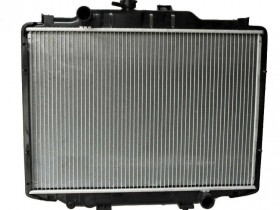
In the world of commercial logistics, uptime is the only metric that matters. For the Mitsubishi Fuso Canter 4.7D (2014-Onwards), the cooling system is the frontline defense against engine fatigue and costly roadside breakdowns. As Euro 5 engines run at higher thermal loads to meet emission standards, the demand on the radiator has never been greater. The APCF-72296 heavy-duty aluminum radiator is engineered specifically to meet these challenges, providing a direct-fit solution for the global commercial vehicle aftermarket. The Euro 5 Cooling Challenge Front profile showing the precision-engineered aluminum core for Mitsubishi Fuso Canter 4.7D models (2014-). Modern diesel engines,...
Больш падрабязна
Кіраўніцтва па куплі аўтамабільнага радыятара: Цалкам алюмініевы супраць. Aluminum-Plastic Радыятар

Кіраўніцтва па куплі аўтамабільнага радыятара: Цалкам алюмініевы супраць. Aluminum-Plastic

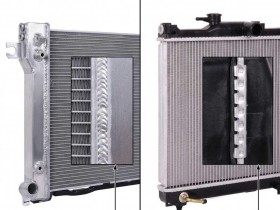
When it comes to maintaining or upgrading your vehicle's cooling system, the radiator is the heart of the operation. In the aftermarket today, you will primarily encounter two types: Aluminum-Plastic (Plastic Tank) and All-Aluminum. Aluminum-Radiator-VS-Plastic-Aluminum-Radiator Which one is right for your vehicle? This guide breaks down the materials, performance, lifespan, and costs to help you make an informed decision. 1. Materials and Construction Aluminum-Plastic Radiators Radiators This is the standard Original Equipment (OE) design for most modern passenger cars. Structure: An aluminum core (tubes and fins) crimped to plastic end tanks (usually PA66 nylon) using a rubber gasket. Design Goal:...
Больш падрабязна
Радыятар з медным алейным радыятарам супраць. Радыятар з алюмініевым алейным ахаладжальнікам: Візуальнае параўнанне матэрыялаў Радыятар

Радыятар з медным алейным радыятарам супраць. Радыятар з алюмініевым алейным ахаладжальнікам: Візуальнае параўнанне матэрыялаў

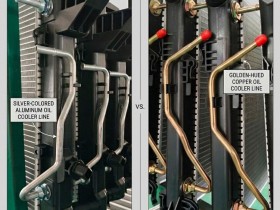
Выбар правільных кампанентаў астуджэння для вашага аўтамабільнага інвентара, флоту, або ваш асабісты DIY праект можа быць складаным рашэннем. Часта, выбар залежыць ад балансу патрабаванняў да прадукцыйнасці з бюджэтам і канкрэтнымі патрэбамі прымянення. На кітайскім заводзе аўтазапчастак, мы спецыялізуемся на забеспячэнні высокай якасці, заводскія рашэнні для астуджэння. Каб дапамагчы вам зрабіць усвядомлены выбар, мы сабралі гэта прамое візуальнае параўнанне двух дамінуючых галіновых стандартаў убудаванага ахаладжальніка трансмісійнага масла (TOC) трубкі: Медзь і алюміній. Візуальнае параўнанне: Радыятар А супраць. Радыятар B Уважліва паглядзіце на малюнак ніжэй. Мы выбудавалі два свежыя заводскія радыятары ў зборы, ідэнтычны, акрамя ...
Больш падрабязна
Выбар прафесійнага экспарцёра для Peugeot & Астуджэнне Citroen Механічны радыятар

Выбар прафесійнага экспарцёра для Peugeot & Астуджэнне Citroen

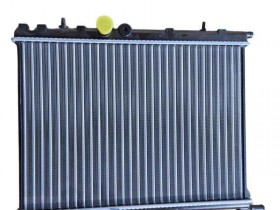
Выбар прафесійнага экспарцёра для Peugeot & Астуджэнне Citroën Пры пошуку радыятараў для еўрапейскага аўтапарка, reliability and cost-efficiency are the two most critical factors. For wholesalers and distributors handling Peugeot and Citroën cooling systems, the APCF-99-88043 (Cross-Ref: NISSENS 63502) has become a global standard. APCF-99-88043-front Why the Mechanical Radiator (APCF-99-88043) is the Smart Choice In the automotive aftermarket, there is often a debate between Mechanical and Brazed radiators. While brazed units (like the NISSENS 63502A) are excellent for high-performance needs, the APCF-99-88043 Mechanical Radiator is the "workhorse" of the industry. Vibration Resistance: The mechanical expansion of the tubes...
Больш падрабязна
Механічны супраць. Тэхналогія паяных радыятараў: Які кулер падыдзе для вашага аўтамабіля? Радыятар

Механічны супраць. Тэхналогія паяных радыятараў: Які кулер падыдзе для вашага аўтамабіля?

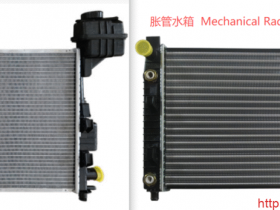
Рухавік - гэта сэрца аўтамабіля, і радыятар яго "кандыцыянер." Гэта вельмі важна для падтрымання стабільнай тэмпературы рухавіка. Асноўныя радыятарныя тэхналогіі, прадстаўленыя ў цяперашні час на рынку, у асноўным дзеляцца на дзве катэгорыі: механічны радыятар і паяны радыятар. Паяны-Радыятар-VS-Механічны-Радыятар У чым розніца паміж гэтымі двума тыпамі радыятараў? Які з іх лепш падыходзіць для вашага аўтамабіля або патрэб вашага бізнесу? У гэтым артыкуле будзе дадзены глыбокі аналіз з пункту гледжання атрыбутаў прадукту, performance, lifespan, і сусветныя тэндэнцыі. ?️ Product Attribute Comparison: Механічны супраць. Паяны атрыбутМеханічны радыятарПаяны радыятарЗнешні выгляд/структураЗлучаны з дапамогай працэсу механічнага пашырэння;...
Больш падрабязна
Захоўвайце свой MITSUBISHI DELICA прахалодным: Правільны радыятар для вас 87-93 MT (OE SW600045) Паяны радыятар

Захоўвайце свой MITSUBISHI DELICA прахалодным: Правільны радыятар для вас 87-93 MT (OE SW600045)

Захоўвайце свой MITSUBISHI DELICA прахалодным: Правільны радыятар для вас 87-93 MT (OE SW600045) APCF-72001-radiator-front Калі вы шчаслівы ўладальнік класічнага Mitsubishi Delica, вы ведаеце, наколькі важна падтрымліваць гэты легендарны аўтамабіль у выдатным працоўным стане. Незалежна ад таго, выкарыстоўваеце вы Delica для штодзённай язды, сямейныя прыгоды, або па бездаражы, надзейная сістэма астуджэння не падлягае абмеркаванню. сёння, мы засяроджваемся на найважнейшым кампаненце для даўгавечнасці вашага фургона: радыятар. Канкрэтна, мы прадстаўляем высакаякасны зменны радыятар, прызначаны для 1987-1993 MITSUBISHI DELICA з механічнай каробкай перадач (MT) і 16-затамкавы рухавік. Чаму гэты радыятар правільны...
Больш падрабязна
Tube-Fin vs. Plate-Fin Radiators: Key Differences & Applications Радыятар

Tube-Fin vs. Plate-Fin Radiators: Key Differences & Applications

Tube-fin radiators and Plate-fin radiators are two common types of heat exchangers, differing significantly in their structure and typical applications. Tube-Fin Radiator PA Radiator Structural Characteristics: Cooling Tubes: Primarily composed of flattened cooling tubes through which the coolant flows. Heat Dissipation Fins: Wavy or folded fins are placed between the cooling tubes, increasing the heat transfer surface area. Tanks: Typically has two tanks (either side or top/bottom) that connect the cooling tubes, forming a circulation path for the coolant. Materials: Commonly made from copper or aluminum, with components joined together using brazing or similar methods. Working Principle: Coolant (such as...
Больш падрабязна
Аўтамабільны радыятар: The Engine's Радыятар

Аўтамабільны радыятар: The Engine’sCooling Guardian

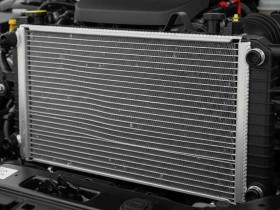
When your car's engine runs, it generates a lot of heat. If this heat isn't dissipated in time, the engine can overheat, leading to performance issues or even serious damage. This is where the car radiator plays a crucial role – it's the engine's "cooling guardian." radiator installed on car How the Radiator Works The radiator is the core component of your car's cooling system. It works through a simple heat exchange principle: Heat Absorption: Coolant (typically a mixture of water and antifreeze) is pumped through channels inside the engine, absorbing the heat generated by the engine. Heat Dissipation: The...
Больш падрабязна