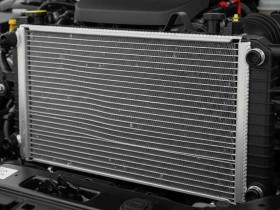
Engineered for the Long Haul: A Technical Review of the Radiator for Mitsubishi Fuso Canter 4.7D Euro 5 Brazed Radiator

Engineered for the Long Haul: A Technical Review of the Radiator for Mitsubishi Fuso Canter 4.7D Euro 5

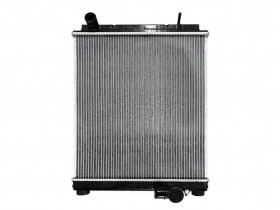
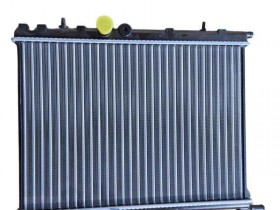
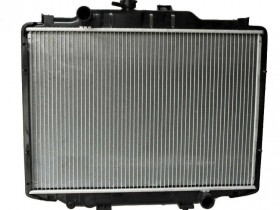
In the world of commercial logistics, uptime is the only metric that matters. For the Mitsubishi Fuso Canter 4.7D (2014-Onwards), the cooling system is the frontline defense against engine fatigue and costly roadside breakdowns. As Euro 5 engines run at higher thermal loads to meet emission standards, the demand on the radiator has never been greater. The APCF-72296 heavy-duty aluminum radiator is engineered specifically to meet these challenges, providing a direct-fit solution for the global commercial vehicle aftermarket. The Euro 5 Cooling Challenge Front profile showing the precision-engineered aluminum core for Mitsubishi Fuso Canter 4.7D models (2014-). Modern diesel engines,...
Read More
Car Radiator Buying Guide: All-Aluminum vs. Aluminum-Plastic Ladiyeta

Car Radiator Buying Guide: All-Aluminum vs. Aluminum-Plastic

When it comes to maintaining or upgrading your vehicle's cooling system, the radiator is the heart of the operation. In the aftermarket today, you will primarily encounter two types: Aluminum-Plastic (Plastic Tank) and All-Aluminum. Aluminum-Radiator-VS-Plastic-Aluminum-Radiator Which one is right for your vehicle? This guide breaks down the materials, performance, lifespan, and costs to help you make an informed decision. 1. Materials and Construction Aluminum-Plastic Radiators Radiators This is the standard Original Equipment (Oe) design for most modern passenger cars. Structure: An aluminum core (tubes and fins) crimped to plastic end tanks (usually PA66 nylon) using a rubber gasket. Design Goal:...
Read More
Radiator with Copper Oil Cooler vs. Radiator with Aluminum Oil Cooler: A Visual Material Comparison Ladiyeta

Radiator with Copper Oil Cooler vs. Radiator with Aluminum Oil Cooler: A Visual Material Comparison

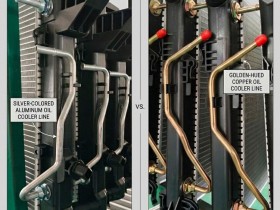
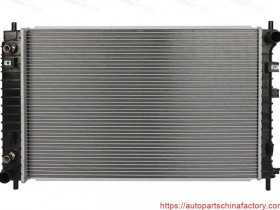
Choosing the right cooling components for your automotive inventory, fleet, or your personal DIY project can be a complex decision. Often, the choice hinges on balancing performance requirements with budget and specific application needs. At Auto Parts China Factory, we specialize in providing high-quality, factory-direct cooling solutions. To help you make an informed choice, we’ve put together this direct visual comparison of the two dominant industry standards for integrated transmission oil cooler (TOC) tubes: Copper and Aluminum. Visual Comparison: Radiator A vs. Radiator B Look closely at the image below. We have lined up two factory-fresh radiator assemblies, identical except...
Read More
The Professional Exporter’s Choice for Peugeot & Citroën Cooling Mechanical Radiator

The Professional Exporter’s Choice for Peugeot & Citroën Cooling

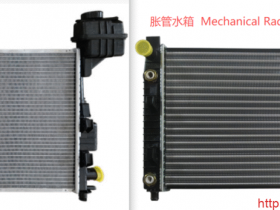
The Professional Exporter’s Choice for Peugeot & Citroën Cooling When sourcing radiators for the European car parc, reliability and cost-efficiency are the two most critical factors. For wholesalers and distributors handling Peugeot and Citroën cooling systems, the APCF-99-88043 (Cross-Ref: NISSENS 63502) has become a global standard. APCF-99-88043-front Why the Mechanical Radiator (APCF-99-88043) is the Smart Choice In the automotive aftermarket, there is often a debate between Mechanical and Brazed radiators. While brazed units (like the NISSENS 63502A) are excellent for high-performance needs, the APCF-99-88043 Mechanical Radiator is the "workhorse" of the industry. Vibration Resistance: The mechanical expansion of the tubes...
Read More
Mechanical vs. Brazed Radiator Technology: Which Cooler is Right for Your Car? Ladiyeta

Mechanical vs. Brazed Radiator Technology: Which Cooler is Right for Your Car?

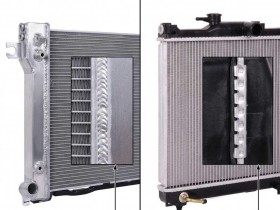
The engine is the heart of a car, and the radiator is its "air conditioner." It is crucial for maintaining stable engine temperature. The mainstream radiator technologies currently on the market are mainly divided into two categories: the Mechanical Radiator and the Brazed Radiator. Brazed-Radiator-VS-Mechanical-Radiator What are the differences between these two types of radiators? Which one is better suited for your vehicle or your business needs? This article will provide an in-depth analysis from the perspectives of product attributes, performance, lifespan, and global trends. ?️ Product Attribute Comparison: Mechanical vs. Brazed AttributeMechanical RadiatorBrazed RadiatorAppearance/StructureConnected using a mechanical expansion process;...
Read More
Sungani Mitsubishi Yanu Kuzizira: Radiator yakumanja yanu 87-93 Mt (Ndiwe SW600045) Brazed Radiator

Sungani Mitsubishi Yanu Kuzizira: Radiator yakumanja yanu 87-93 Mt (Ndiwe SW600045)

Sungani Mitsubishi Yanu Kuzizira: Radiator yakumanja yanu 87-93 Mt (Ndiwe SW600045) APCF-72001-radiator-kutsogolo ngati mukufuna wonyada wa Mitsubishi, Mukudziwa kufunikira kwake kuti musunge galimoto ili pamwamba. Kaya mumagwiritsa ntchito decota yanu yoyendetsa tsiku ndi tsiku, Kubwera kwa Banja, kapena kuthyola msewu, Dongosolo lodalirika lodalirika silikugwirizana. Lero, Tikuyang'ana pazinthu zovuta chifukwa cha moyo wanu wa van: radiator. Makamaka, Tikuyambitsa radiator yabwino kwambiri yopangidwira 1987-1993 Mitsubishi Decaca ndi kufalitsa buku (Mt) ndi injini ya 16-valavu. Chifukwa chiyani radiator iyi ndi ufulu ...
Read More
Tube-Fin vs. Plate-Fin Radiators: Key Differences & Applications Ladiyeta

Tube-Fin vs. Plate-Fin Radiators: Key Differences & Applications

Tube-fin radiators and Plate-fin radiators are two common types of heat exchangers, differing significantly in their structure and typical applications. Tube-Fin Radiator PA Radiator Structural Characteristics: Cooling Tubes: Primarily composed of flattened cooling tubes through which the coolant flows. Heat Dissipation Fins: Wavy or folded fins are placed between the cooling tubes, increasing the heat transfer surface area. Tanks: Typically has two tanks (either side or top/bottom) that connect the cooling tubes, forming a circulation path for the coolant. Materials: Commonly made from copper or aluminum, Ndi zinthu zina zolumikizidwa pogwiritsa ntchito njira zofananira kapena zofananira. Mfundo: Mozizira (monga...
Read More
Radiator: The Engine's Ladiyeta

Radiator: The Engine’sCooling Guardian

When your car's engine runs, it generates a lot of heat. If this heat isn't dissipated in time, the engine can overheat, leading to performance issues or even serious damage. This is where the car radiator plays a crucial role – it's the engine's "cooling guardian." radiator installed on car How the Radiator Works The radiator is the core component of your car's cooling system. It works through a simple heat exchange principle: Heat Absorption: Mozizira (typically a mixture of water and antifreeze) is pumped through channels inside the engine, absorbing the heat generated by the engine. Heat Dissipation: The...
Read More