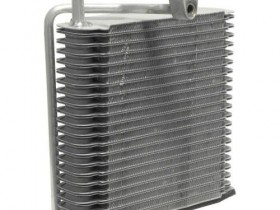
Evaporator inti kanggo BMW 5 & 7 Seri (G30/G38/G12) Evaporator

Evaporator inti kanggo BMW 5 & 7 Seri (G30/G38/G12)

Evaporator inti kanggo BMW 5 & 7 Seri (G30/G38/G12) APCF-66-28012-side Pambuka Sistem AC ing mobil sampeyan penting kanggo pengalaman nyopir sing nyaman. Komponen kritis nanging asring diabaikan yaiku inti evaporator, kang fungsine minangka penukar panas, padha karo radiator. Beda karo radiator sing nggawe adhem mesin, inti evaporator dianggo kanggo kelangan udhara nang kabin penumpang. Iki nggunakake refrigerant sirkulasi kanggo nyerep panas lan asor saka udhara, kanthi efektif nggawe interior mobil sampeyan adhem lan garing. Yen sampeyan ngelingi AC sampeyan ora lagi nyebul hawa adhem utawa ana...
Waca liyane
Understanding the Evaporator: Your Car's Unsung Hero of Cool Evaporator

Understanding the Evaporator: Your Car’s Unsung Hero of Cool

When the summer heat hits, there's nothing quite like stepping into a cool, air-conditioned car. But have you ever wondered how that refreshing blast of cold air is actually generated? The unsung hero behind your vehicle's air conditioning system is a crucial component called the evaporator. In this post, we'll delve into the structure, function, and mechanical principles of the automotive evaporator. We'll also touch upon its supply chain, import factories, and key manufacturers, providing a comprehensive overview for car enthusiasts and industry professionals alike. What is an Evaporator? Looking at the images provided , you can see the evaporator...
Waca liyane
Stacked vs. Manifold Evaporators: Which is Best for Your Car's AC? Evaporator

Stacked vs. Manifold Evaporators: Which is Best for Your Car’s AC?

The key differences between stacked evaporators and manifold evaporators in car air conditioning systems lie in their structural design, refrigerant flow, and resulting performance characteristics. Stacked Evaporator Stacked-Evaporator Structural Characteristics: A stacked evaporator typically consists of multiple flat, layered heat exchange passages (or primary heat sinks). Heat exchange fins are placed between adjacent layers to increase the heat transfer surface area. The refrigerant flows through these stacked passages either in series or in parallel, connected by ports. Internal structures like flow equalization holes, flow restrictor fins, or internal fins might be present to ensure even refrigerant distribution. Working Principle: The...
Waca liyane