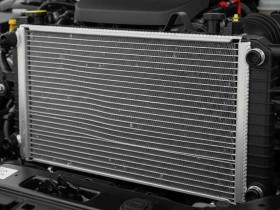
Engineered for the Long Haul: A Technical Review of the Radiator for Mitsubishi Fuso Canter 4.7D Euro 5 Brazed Radiator

Engineered for the Long Haul: A Technical Review of the Radiator for Mitsubishi Fuso Canter 4.7D Euro 5

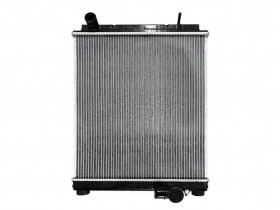
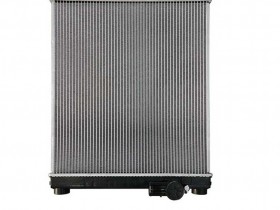
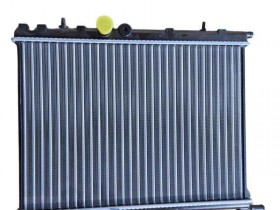
In the world of commercial logistics, uptime is the only metric that matters. For the Mitsubishi Fuso Canter 4.7D (2014-Onwards), the cooling system is the frontline defense against engine fatigue and costly roadside breakdowns. As Euro 5 engines run at higher thermal loads to meet emission standards, the demand on the radiator has never been greater. The APCF-72296 heavy-duty aluminum radiator is engineered specifically to meet these challenges, providing a direct-fit solution for the global commercial vehicle aftermarket. The Euro 5 Cooling Challenge Front profile showing the precision-engineered aluminum core for Mitsubishi Fuso Canter 4.7D models (2014-). Modern diesel engines,...
Read More
Car Radiator Buying Guide: All-Aluminum vs. Aluminum-Plastic Radiatore

Car Radiator Buying Guide: All-Aluminum vs. Aluminum-Plastic

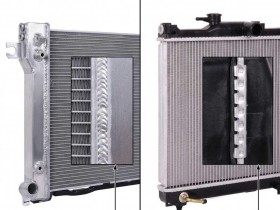
When it comes to maintaining or upgrading your vehicle's cooling system, the radiator is the heart of the operation. In the aftermarket today, you will primarily encounter two types: Aluminum-Plastic (Plastic Tank) and All-Aluminum. Aluminum-Radiator-VS-Plastic-Aluminum-Radiator Which one is right for your vehicle? This guide breaks down the materials, prestazione, durata, and costs to help you make an informed decision. 1. Materials and Construction Aluminum-Plastic Radiators Radiators This is the standard Original Equipment (OE) design for most modern passenger cars. Structure: An aluminum core (tubes and fins) crimped to plastic end tanks (usually PA66 nylon) using a rubber gasket. Design Goal:...
Read More
Radiator with Copper Oil Cooler vs. Radiator with Aluminum Oil Cooler: A Visual Material Comparison Radiatore

Radiator with Copper Oil Cooler vs. Radiator with Aluminum Oil Cooler: A Visual Material Comparison

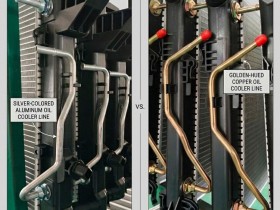
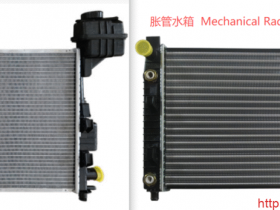
Choosing the right cooling components for your automotive inventory, fleet, or your personal DIY project can be a complex decision. Often, the choice hinges on balancing performance requirements with budget and specific application needs. At Auto Parts China Factory, we specialize in providing high-quality, factory-direct cooling solutions. To help you make an informed choice, we’ve put together this direct visual comparison of the two dominant industry standards for integrated transmission oil cooler (TOC) tubes: Copper and Aluminum. Visual Comparison: Radiator A vs. Radiator B Look closely at the image below. We have lined up two factory-fresh radiator assemblies, identical except...
Read More
The Professional Exporter’s Choice for Peugeot & Citroën Cooling Mechanical Radiator

The Professional Exporter’s Choice for Peugeot & Citroën Cooling

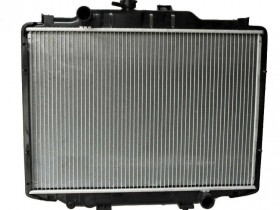
The Professional Exporter’s Choice for Peugeot & Citroën Cooling When sourcing radiators for the European car parc, reliability and cost-efficiency are the two most critical factors. For wholesalers and distributors handling Peugeot and Citroën cooling systems, the APCF-99-88043 (Cross-Ref: NISSENS 63502) has become a global standard. APCF-99-88043-front Why the Mechanical Radiator (APCF-99-88043) is the Smart Choice In the automotive aftermarket, there is often a debate between Mechanical and Brazed radiators. While brazed units (like the NISSENS 63502A) are excellent for high-performance needs, the APCF-99-88043 Mechanical Radiator is the "workhorse" of the industry. Vibration Resistance: The mechanical expansion of the tubes...
Read More
Meccanico vs. Tecnologia dei radiatori brasati: Quale dispositivo di raffreddamento è adatto alla tua auto? Radiatore

Meccanico vs. Tecnologia dei radiatori brasati: Quale dispositivo di raffreddamento è adatto alla tua auto?

Il motore è il cuore di un'auto, e il radiatore è suo "condizionatore d'aria." È fondamentale per mantenere stabile la temperatura del motore. Le principali tecnologie dei radiatori attualmente sul mercato si dividono principalmente in due categorie: il Radiatore Meccanico e il Radiatore Brasato. Radiatore-brasato-VS-Radiatore-meccanico Quali sono le differenze tra questi due tipi di radiatori? Quale è più adatto al tuo veicolo o alle tue esigenze aziendali? Questo articolo fornirà un'analisi approfondita dal punto di vista degli attributi del prodotto, prestazione, durata, e tendenze globali. ?️ Product Attribute Comparison: Meccanico vs. Attributo brasatoRadiatore meccanicoRadiatore brasatoAspetto/strutturaConnesso utilizzando un processo di espansione meccanica;...
Read More
Mantieni la tua MITSUBISHI DELICA al fresco: Il radiatore giusto per il tuo 87-93 MT (Tu sei SW600045) Brazed Radiator

Mantieni la tua MITSUBISHI DELICA al fresco: Il radiatore giusto per il tuo 87-93 MT (Tu sei SW600045)

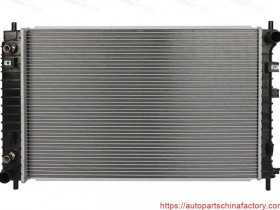
Mantieni la tua MITSUBISHI DELICA al fresco: Il radiatore giusto per il tuo 87-93 MT (Tu sei SW600045) APCF-72001-radiatore-anteriore Se sei orgoglioso proprietario di una classica Mitsubishi Delica, sai quanto sia importante mantenere questo veicolo leggendario nelle migliori condizioni di funzionamento. Sia che utilizzi la tua Delica per la guida quotidiana, avventure familiari, o overlanding fuoristrada, un sistema di raffreddamento affidabile non è negoziabile. Oggi, ci stiamo concentrando su un componente fondamentale per la longevità del tuo furgone: il radiatore. Nello specifico, stiamo introducendo un radiatore sostitutivo di alta qualità progettato per 1987-1993 MITSUBISHI DELICA con cambio manuale (MT) e il motore a 16 valvole. Why This Radiator is the Right...
Read More
Tube-Fin vs. Plate-Fin Radiators: Key Differences & Applications Radiatore

Tube-Fin vs. Plate-Fin Radiators: Key Differences & Applications

Tube-fin radiators and Plate-fin radiators are two common types of heat exchangers, differing significantly in their structure and typical applications. Tube-Fin Radiator PA Radiator Structural Characteristics: Cooling Tubes: Primarily composed of flattened cooling tubes through which the coolant flows. Heat Dissipation Fins: Wavy or folded fins are placed between the cooling tubes, increasing the heat transfer surface area. Tanks: Typically has two tanks (either side or top/bottom) that connect the cooling tubes, forming a circulation path for the coolant. Materials: Commonly made from copper or aluminum, with components joined together using brazing or similar methods. Working Principle: Coolant (such as...
Read More
Car Radiator: The Engine's Radiatore

Car Radiator: The Engine’s “Guardiano del raffreddamento”

Quando il motore della tua auto funziona, genera molto calore. Se questo calore non viene dissipato in tempo, il motore può surriscaldarsi, portando a problemi di prestazioni o addirittura danni gravi. È qui che il radiatore dell'auto gioca un ruolo cruciale: è quello del motore "guardiano del raffreddamento." radiatore installato sull'auto Come funziona il radiatore Il radiatore è il componente principale del sistema di raffreddamento della tua auto. Funziona attraverso un semplice principio di scambio termico: Assorbimento del calore: Coolant (tipicamente una miscela di acqua e antigelo) viene pompato attraverso canali all'interno del motore, assorbendo il calore generato dal motore. Dissipazione del calore: IL...
Read More