Why the Mitsubishi Fuso Canter Overheats: Troubleshooting  Upgrade Guide Radiator ọkụ

Why the Mitsubishi Fuso Canter Overheats: Troubleshooting Upgrade Guide

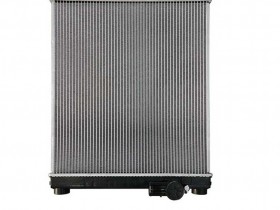
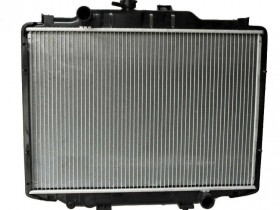
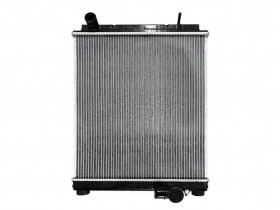
Introduction The Mitsubishi Fuso Canter has been a legendary workhorse since 1963, known for its durability and efficiency. However, fleet managers often face engine overheating issues with Euro 5 models (2014+). This guide explains why the APCF-72278 Heavy-Duty Radiator is the vital upgrade needed for your fleet. Front view of the APCF-72278 automotive radiator. Common Causes of Overheating Structural Failures: OEM plastic header tanks can become brittle due to thermal cycling, leading to hairline fractures and coolant loss. Clogged Fins: Road debris in industrial or urban environments often clogs or bends cooling fins, which lowers heat exchange efficiency. Transmission Heat:...
Read More
Emebere ya maka ogologo oge: Nleba nka nka nke Radiator maka Mitsubishi Fuso Canter 4.7D Euro 5 Radiator ọkụ

Emebere ya maka ogologo oge: Nleba nka nka nke Radiator maka Mitsubishi Fuso Canter 4.7D Euro 5

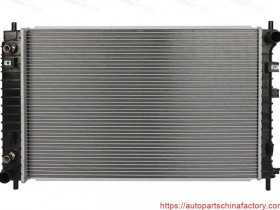
In the world of commercial logistics, uptime is the only metric that matters. For the Mitsubishi Fuso Canter 4.7D (2014-Onwards), the cooling system is the frontline defense against engine fatigue and costly roadside breakdowns. As Euro 5 engines run at higher thermal loads to meet emission standards, the demand on the radiator has never been greater. The APCF-72296 heavy-duty aluminum radiator is engineered specifically to meet these challenges, providing a direct-fit solution for the global commercial vehicle aftermarket. The Euro 5 Cooling Challenge Front profile showing the precision-engineered aluminum core for Mitsubishi Fuso Canter 4.7D models (2014-). Modern diesel engines,...
Read More
Ntuziaka Ịzụta Radiator Cara: All-aluminom vs. Aluminom-Plastik Radiator

Ntuziaka Ịzụta Radiator Cara: All-aluminom vs. Aluminom-Plastik

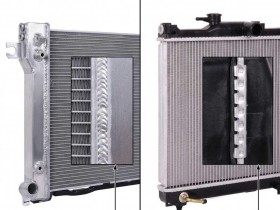
When it comes to maintaining or upgrading your vehicle's cooling system, the radiator is the heart of the operation. In the aftermarket today, you will primarily encounter two types: Aluminom-Plastik (Plastic Tank) and All-Aluminum. Aluminum-Radiator-VS-Plastic-Aluminum-Radiator Which one is right for your vehicle? This guide breaks down the materials, arụmọrụ, ogologo ndụ, and costs to help you make an informed decision. 1. Materials and Construction Aluminum-Plastic Radiators Radiators This is the standard Original Equipment (OE) design for most modern passenger cars. Structure: An aluminum core (tubes and fins) crimped to plastic end tanks (usually PA66 nylon) using a rubber gasket. Design Goal:...
Read More
Radiator na Copper Mmanụ oyi vs. Radiator na Aluminom mmanụ oyi: Ntụle Ihe Anya Anya Radiator

Radiator na Copper Mmanụ oyi vs. Radiator na Aluminom mmanụ oyi: Ntụle Ihe Anya Anya

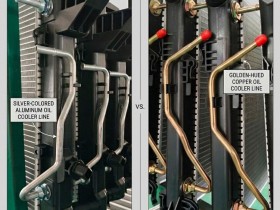
Choosing the right cooling components for your automotive inventory, fleet, or your personal DIY project can be a complex decision. Often, the choice hinges on balancing performance requirements with budget and specific application needs. At Auto Parts China Factory, we specialize in providing high-quality, factory-direct cooling solutions. To help you make an informed choice, we’ve put together this direct visual comparison of the two dominant industry standards for integrated transmission oil cooler (TOC) tubes: Copper and Aluminum. Visual Comparison: Radiator A vs. Radiator B Look closely at the image below. We have lined up two factory-fresh radiator assemblies, identical except...
Read More
Nhọrọ ọkachamara na-ebupụ maka Peugeot & Citroen jụrụ oyi Igwe Radiator

Nhọrọ ọkachamara na-ebupụ maka Peugeot & Citroen jụrụ oyi

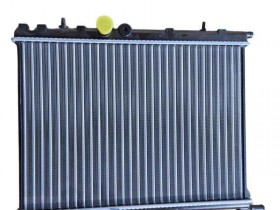
Nhọrọ ọkachamara na-ebupụ maka Peugeot & Citroën Cooling When sourcing radiators for the European car parc, reliability and cost-efficiency are the two most critical factors. For wholesalers and distributors handling Peugeot and Citroën cooling systems, the APCF-99-88043 (Cross-Ref: NISSENS 63502) has become a global standard. APCF-99-88043-front Why the Mechanical Radiator (APCF-99-88043) is the Smart Choice In the automotive aftermarket, there is often a debate between Mechanical and Brazed radiators. While brazed units (like the NISSENS 63502A) are excellent for high-performance needs, the APCF-99-88043 Mechanical Radiator is the "workhorse" of the industry. Vibration Resistance: The mechanical expansion of the tubes...
Read More
Mechanical vs. Teknụzụ Radiator Brazed: Kedu igwe oyi dị mma maka ụgbọ ala gị? Radiator

Mechanical vs. Teknụzụ Radiator Brazed: Kedu igwe oyi dị mma maka ụgbọ ala gị?

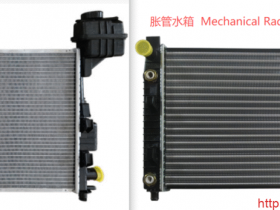
Njin bụ obi ụgbọ ala, na radiator bụ nke ya "ntụ oyi." Ọ dị oké mkpa maka ịnọgide na-enwe okpomọkụ engine kwụsiri ike. A na-ekewa teknụzụ igwe ọkụ ọkụ nke dị ugbu a n'ahịa ụzọ abụọ: Radiator Mechanical na Brazed Radiator. Brazed-Radiator-VS-Mechanical-Radiator What are the differences between these two types of radiators? Kedu nke ka mma maka ụgbọ ala gị ma ọ bụ mkpa azụmahịa gị? Isiokwu a ga-enye nyocha dị omimi site na echiche nke njirimara ngwaahịa, arụmọrụ, ogologo ndụ, na usoro zuru ụwa ọnụ. ?️ Ntụnyere Njirimara ngwaahịa: Mechanical vs. Brazed AttributeMechanical RadiatorBrazed RadiatorAppearance/StructureConnected using a mechanical expansion process;...
Read More
Keep Your MITSUBISHI DELICA Cool: The Right Radiator for Your 87-93 MT (OE SW600045) Radiator ọkụ

Keep Your MITSUBISHI DELICA Cool: The Right Radiator for Your 87-93 MT (OE SW600045)

Keep Your MITSUBISHI DELICA Cool: The Right Radiator for Your 87-93 MT (OE SW600045) APCF-72001-radiator-front If you're a proud owner of a classic Mitsubishi Delica, you know how important it is to keep this legendary vehicle in top running condition. Whether you use your Delica for daily driving, family adventures, or off-road overlanding, a reliable cooling system is non-negotiable. Today, we're focusing on a critical component for your van's longevity: the radiator. Specifically, we're introducing a high-quality replacement radiator designed for the 1987-1993 MITSUBISHI DELICA with a manual transmission (MT) and the 16-valve engine. Why This Radiator is the Right...
Read More
Tube-Fin vs. Plate-Fin Radiators: Isi ihe dị iche & Ngwa Radiator

Tube-Fin vs. Plate-Fin Radiators: Isi ihe dị iche & Ngwa

Tube-fin radiators and Plate-fin radiators are two common types of heat exchangers, differing significantly in their structure and typical applications. Tube-Fin Radiator PA Radiator Structural Characteristics: Cooling Tubes: Primarily composed of flattened cooling tubes through which the coolant flows. Heat Dissipation Fins: Wavy or folded fins are placed between the cooling tubes, increasing the heat transfer surface area. tankị: Typically has two tanks (either side or top/bottom) that connect the cooling tubes, forming a circulation path for the coolant. Materials: Commonly made from copper or aluminum, with components joined together using brazing or similar methods. Ụkpụrụ ọrụ: jụrụ oyi (such as...
Read More
Radiator ụgbọ ala: Igwe igwe Radiator

Radiator ụgbọ ala: Igwe igwe “Onye nlekọta jụrụ oyi”

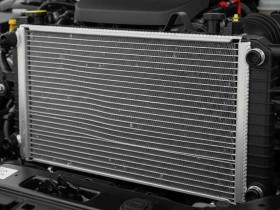
Mgbe injin ụgbọ ala gị na-agba, ọ na-ebute oke ọkụ. Ọ bụrụ na ọkụ a anaghị apụ n'oge, engine nwere ike ikpo ọkụ, na-eduga na nsogbu arụmọrụ ma ọ bụ ọbụna mmebi dị njọ. This is where the car radiator plays a crucial role – it's the engine's "onye nlekọta jụrụ oyi." radiator installed on car How the Radiator Works The radiator is the core component of your car's cooling system. Ọ na-arụ ọrụ site na ụkpụrụ mgbanwe okpomọkụ dị mfe: Okpomọkụ Absorption: jụrụ oyi (na-abụkarị ngwakọta nke mmiri na mgbochi friza) na-agbapụta site na ọwa n'ime engine, na-amịkọrọ okpomọkụ nke injin ahụ na-emepụta. Mgbasa ọkụ: The...
Read More