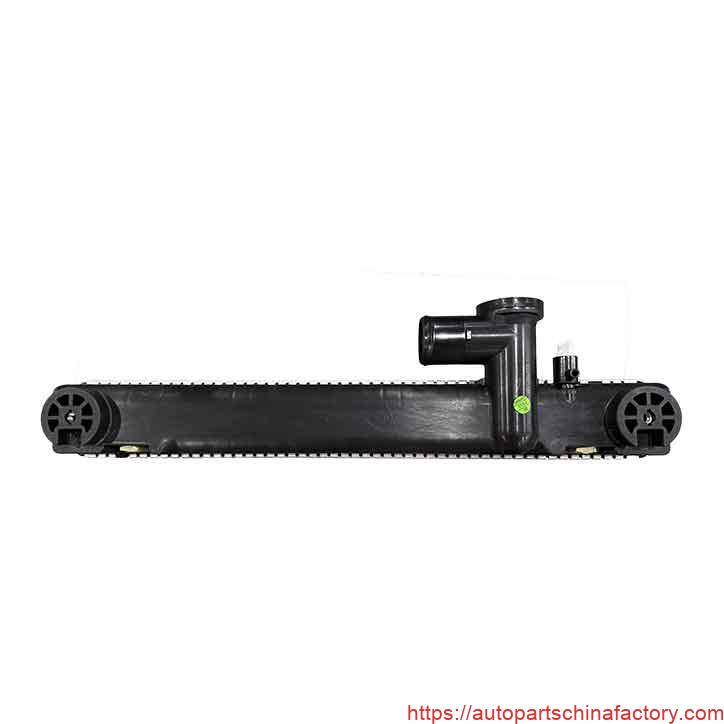
O Mitsubishi FusoCanter has been a legendary workhorse since 1963, known for its durability and efficiency. However, fleet managers often face engine overheating issues with Euro 5 models (2014+). This guide explains why theAPCF-72278 Heavy-Duty Radiatoris the vital upgrade needed for your fleet.
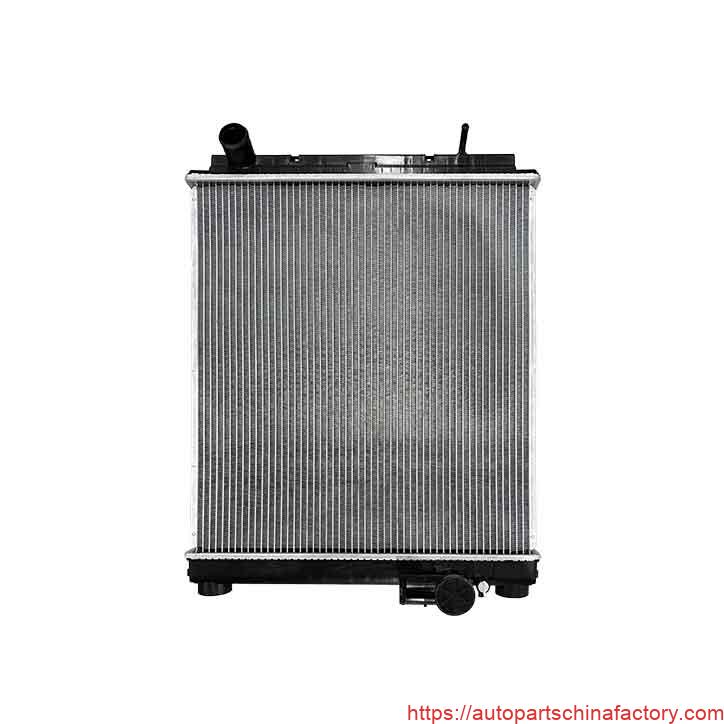
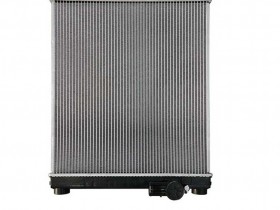
Front view of the APCF-72278 automotive radiator.
Common Causes of Overheating
Structural Failures: OEM plastic header tanks can become brittle due to thermal cycling, leading to hairline fractures and coolant loss.
Clogged Fins: Road debris in industrial or urban environments often clogs or bends cooling fins, which lowers heat exchange efficiency.
Transmission Heat: Automatic transmission (AT) models share cooling paths; if the radiator is compromised, thermal energy can transfer back to the engine, causing simultaneous spikes in temperature.
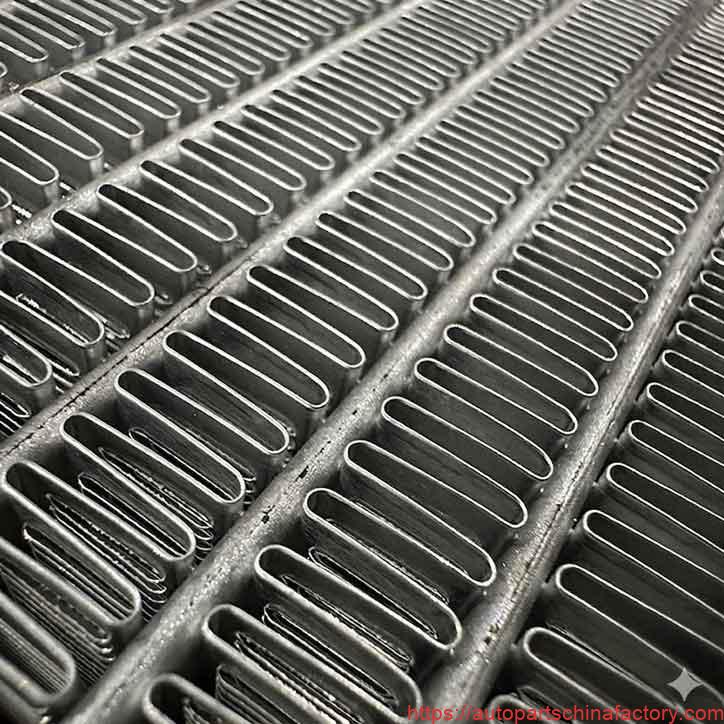
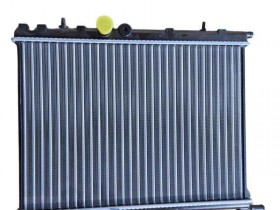
Macro detail of the APCF-72278 cooling fins.
Pro Maintenance Tip: Inspect header tanks for crusty residue, as this indicates dried coolant leaking from fractures and signals a need for replacement.
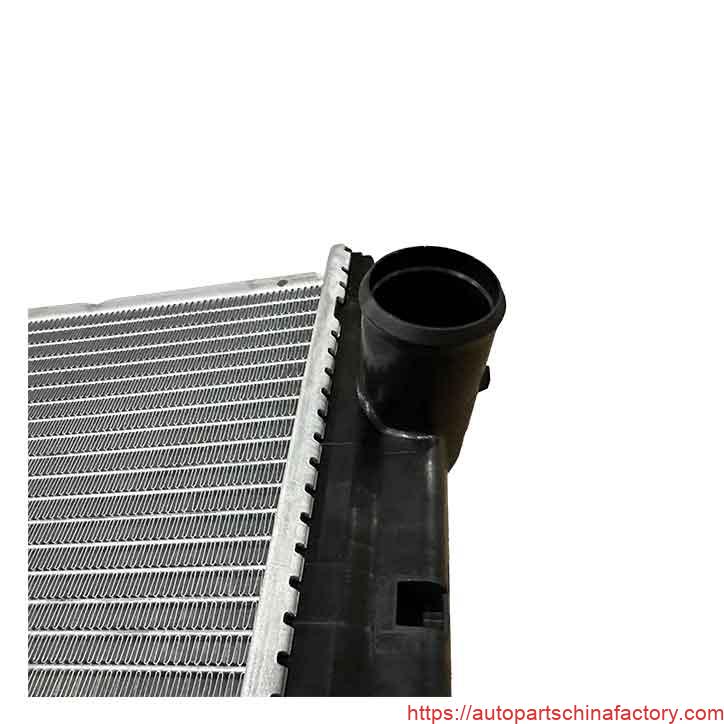
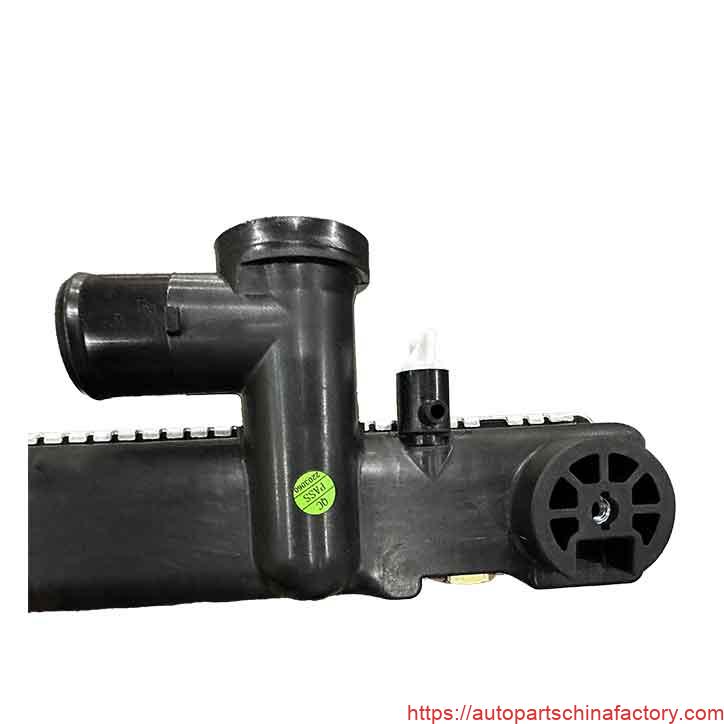
Close-up of the APCF-72278 inlet port.
Why Choose the APCF-72278?
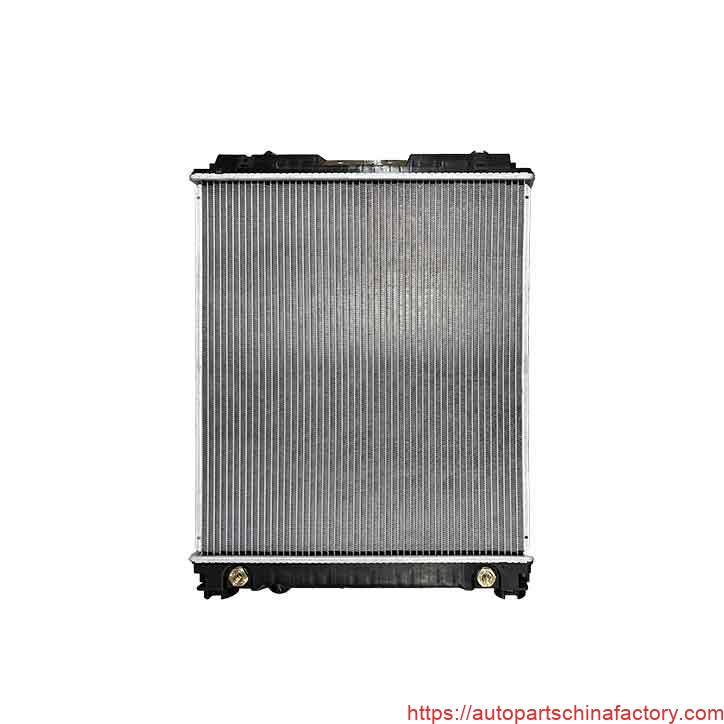
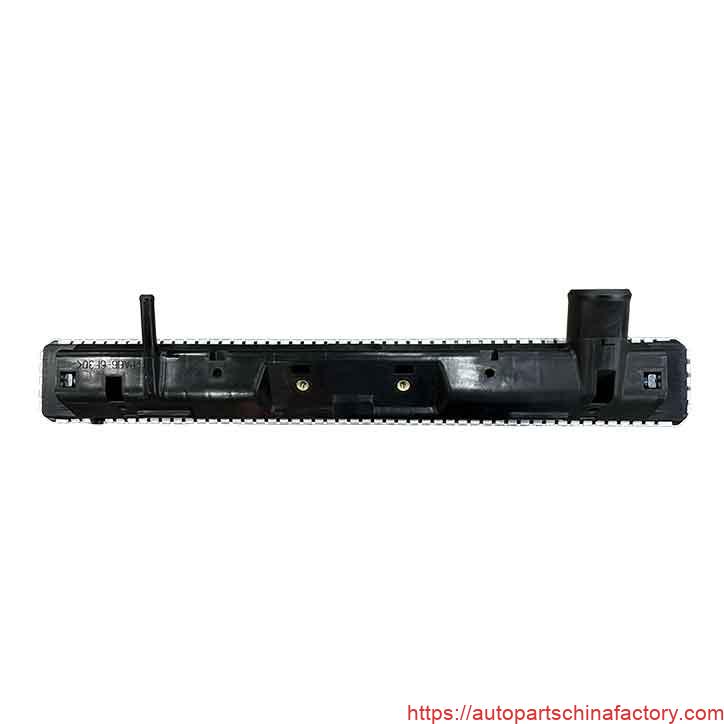
Rear view of the APCF-72278 automotive radiator.
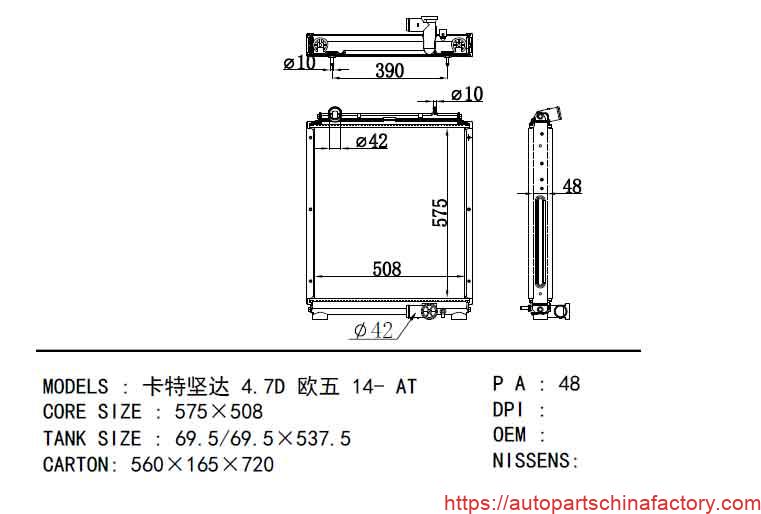
Thickened 48mm Brazed Core: Maximizes surface area for faster heat dissipation under high loads.
PA66-GF30 Reinforced Tanks: These glass-fiber reinforced polyamide tanks resist cracking and warping better than standard alternatives.
Verified Quality: Every unit undergoes strict pressure testing and bears a factory QC Pass stamp.
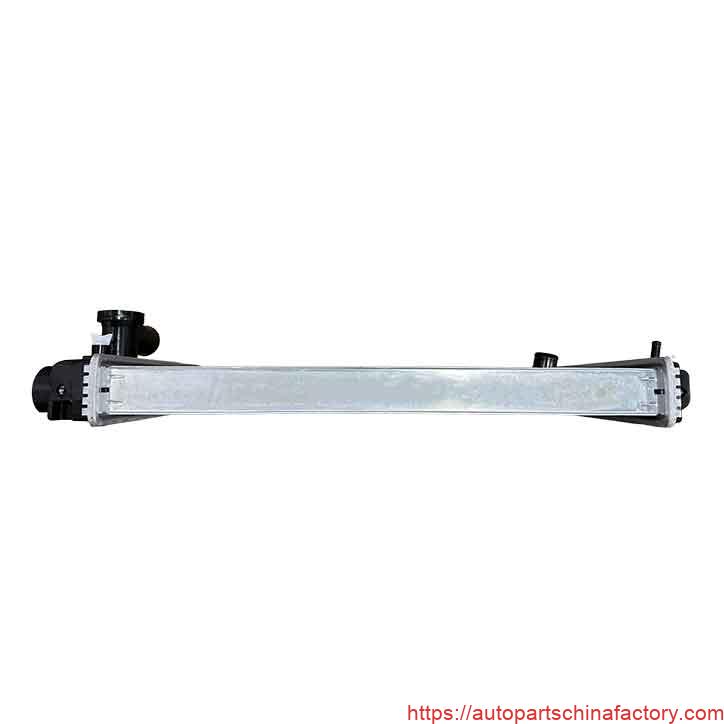
Top-down detail of the APCF-72278 radiator tank.Profile view showing the depth of the APCF-72278 radiator.Bottom view of the APCF-72278 radiator.Close-up detail of the APCF-72278 radiator tank.