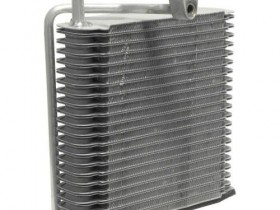
BMW üçün buxarlandırıcı nüvə 5 & 7 Serial (G30/G38/G12) Buxarlandırıcı

BMW üçün buxarlandırıcı nüvə 5 & 7 Serial (G30/G38/G12)

BMW üçün buxarlandırıcı nüvə 5 & 7 Serial (G30/G38/G12) APCF-66-28012-yan Giriş Avtomobilinizdəki kondisioner sistemi rahat sürücülük təcrübəsi üçün vacibdir. Kritik, lakin tez-tez nəzərdən qaçırılan komponent buxarlandırıcı nüvədir, istilik dəyişdiricisi kimi fəaliyyət göstərir, radiatora bənzəyir. Mühərriki soyudan radiatordan fərqli olaraq, buxarlandırıcı özəyi sərnişin salonundakı havanı soyutmaq üçün işləyir. Havadan istilik və rütubəti udmaq üçün dövriyyədə olan soyuducudan istifadə edir, avtomobilinizin salonunu effektiv şəkildə sərin və quru edir. Kondisionerinizin artıq soyuq hava üfürmədiyini və ya orada olduğunu görsəniz..
Ətraflı Oxu
Understanding the Evaporator: Your Car's Unsung Hero of Cool Buxarlandırıcı

Understanding the Evaporator: Your Car’s Unsung Hero of Cool

When the summer heat hits, there's nothing quite like stepping into a cool, air-conditioned car. But have you ever wondered how that refreshing blast of cold air is actually generated? The unsung hero behind your vehicle's air conditioning system is a crucial component called the evaporator. In this post, we'll delve into the structure, function, and mechanical principles of the automotive evaporator. We'll also touch upon its supply chain, import factories, and key manufacturers, providing a comprehensive overview for car enthusiasts and industry professionals alike. What is an Evaporator? Looking at the images provided , you can see the evaporator...
Ətraflı Oxu
Stacked vs. Manifold Evaporators: Which is Best for Your Car's AC? Buxarlandırıcı

Stacked vs. Manifold Evaporators: Which is Best for Your Car’s AC?

The key differences between stacked evaporators and manifold evaporators in car air conditioning systems lie in their structural design, refrigerant flow, and resulting performance characteristics. Stacked Evaporator Stacked-Evaporator Structural Characteristics: A stacked evaporator typically consists of multiple flat, layered heat exchange passages (or primary heat sinks). Heat exchange fins are placed between adjacent layers to increase the heat transfer surface area. The refrigerant flows through these stacked passages either in series or in parallel, connected by ports. Internal structures like flow equalization holes, flow restrictor fins, or internal fins might be present to ensure even refrigerant distribution. İş prinsipi: The...
Ətraflı Oxu