Tube-Fin vs. Radyatorên Plate-Fin: Cudahiyên Key & Applications Germada

Tube-Fin vs. Radyatorên Plate-Fin: Cudahiyên Key & Applications

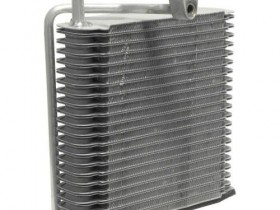
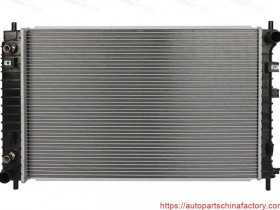
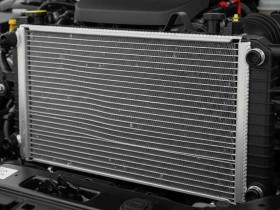
Tube-fin radiators and Plate-fin radiators are two common types of heat exchangers, differing significantly in their structure and typical applications. Tube-Fin Radiator PA Radiator Structural Characteristics: Cooling Tubes: Primarily composed of flattened cooling tubes through which the coolant flows. Heat Dissipation Fins: Wavy or folded fins are placed between the cooling tubes, increasing the heat transfer surface area. Tankên: Typically has two tanks (either side or top/bottom) that connect the cooling tubes, forming a circulation path for the coolant. Materials: Commonly made from copper or aluminum, with components joined together using brazing or similar methods. Prensîba Xebatê: Coolant (such as...
Read More
The Unsung Hero: Keeping Your Engine Cool with an Automotive Oil Cooler Oil Coolers

The Unsung Hero: Keeping Your Engine Cool with an Automotive Oil Cooler

Oil-cooler While your car's primary cooling system focuses on engine coolant, there's another vital fluid that needs temperature regulation: the engine oil. This is where the automotive oil cooler steps in, an often-overlooked but crucial component, especially in performance vehicles or those under heavy load. Let's delve into everything you need to know about the automotive oil cooler. What is an Automotive Oil Cooler? (Definition) An automotive oil cooler is essentially a small radiator or heat exchanger designed specifically to cool the engine's lubricating oil. Just like coolant, engine oil absorbs a significant amount of heat as it circulates through...
Read More
Unlocking Performance: Everything You Need to Know About Your Car's Intercooler Intercooler

Unlocking Performance: Everything You Need to Know About Your Car’s Intercooler

If you're a car enthusiast, especially one with a turbocharged or supercharged vehicle, you've likely heard of an intercooler. But what exactly is it, and why is it so crucial for performance? Let's dive deep into the world of automotive intercoolers. Intercooler What is an Automotive Intercooler? (Definition) An automotive intercooler (also known as a charge air cooler) is a mechanical device used in turbocharged and supercharged internal combustion engines to cool the compressed air before it enters the engine's combustion chambers. When air is compressed by a turbocharger or supercharger, its temperature significantly increases. Hot air is less dense...
Read More
All About Your Car's Heater Core: Keeping You Warm on the Road Brazed Heater Core

All About Your Car’s Heater Core: Keeping You Warm on the Road

As the seasons change and the temperatures drop, there's one unsung hero in your car that ensures your comfort: the heater core. Often overlooked until it malfunctions, this vital component is responsible for providing that warm, toasty air that makes winter driving bearable. Let's dive into everything you need to know about the automotive heater core. Heater Core What is an Automotive Heater Core? At its core (pun intended!), an automotive heater core is a small radiator-like device typically located deep within your vehicle's dashboard. It's an integral part of your car's heating and ventilation system. Its primary function is...
Read More
Automotive AC Condensers: Everything You Need to Know Condenser

Automotive AC Condensers: Everything You Need to Know

The air conditioning (AC) system in your car is a complex network of components working in harmony to keep you cool. While you might be familiar with the compressor or the refrigerant, one vital, often overlooked, part is the AC condenser. Automotive Condenser What is an Automotive AC Condenser? At its core, an automotive AC condenser is a heat exchanger. Its primary job is to release the heat absorbed by the refrigerant in your vehicle's cabin to the outside air. Think of it as the "radiator" for your car's AC system. It's typically located at the front of your vehicle,...
Read More
Stacked vs. Evaporators Manifold: Kîjan ji bo AC-ya Otomobîla We çêtirîn e? Evaporator

Stacked vs. Evaporators Manifold: Kîjan ji bo AC-ya Otomobîla We çêtirîn e?

Cûdahiyên sereke yên di navbera evaporatorên stûxwar û evaporatorên piralî de di pergalên hewa hewaya gerîdeyê de di sêwirana wan de ne., herikîna sarincokê, û taybetmendiyên performansa encam. Stacked Evaporator Stacked-Evaporator Structural Characteristics: Vaporatorek lihevkirî bi gelemperî ji gelek xaniyan pêk tê, rêgehên pevguhertina germê yên qatkirî (an germahiya seretayî). Perçeyên danûstendina germê di navbera qatên cîran de têne danîn da ku qada veguheztina germê zêde bikin. Refrigerant di van rêçên lihevkirî de bi rêz an jî paralel diherike, bi benderan ve girêdayî ye. Avahiyên hundurîn mîna kunên wekhevkirina herikînê, pêlên sînordar ên herikînê, an perçikên hundurîn dikarin hebin da ku belavkirina sarincokê jî misoger bikin. Prensîba Xebatê: Ew...
Read More
Radyatorê Car: The Engine's Germada

Radyatorê Car: Motora “Cooling Guardian”

Dema ku motora gerîdeya we dimeşe, ew gelek germê çêdike. Ger ev germahî di wextê xwe de neyê belav kirin, motor dikare zêde germ bibe, dibe sedema pirsgirêkên performansê an jî zirarek cidî. Li vir radiatora gerîdeyê rolek girîng dilîze - ew motorê ye "parêzgerê sarkirinê." radyator li ser gerîdeyê hatî saz kirin Radyator Çawa Kar dike Radyator hêmana bingehîn a pergala sarbûna gerîdeya we ye. Ew bi prensîbek danûstendina germê ya hêsan dixebite: Heat Absorption: Coolant (bi gelemperî têkelek av û antîfrezê) bi kanalên hundurê motorê ve tê pomp kirin, germa ku ji hêla motorê ve tê hilberandin vedihewîne. Belavkirina germê: Ew...
Read More