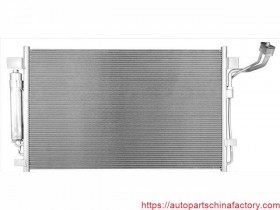
Laadukas Nissan Teana AC lauhdutin  | Suora tehdas Lauhdutin

Laadukas Nissan Teana AC lauhdutin | Suora tehdas

lauhdutin-88-73014-osat-asennettu-APCF Kun kesähelteet saapuvat, ajomukavuus riippuu täysin yhdestä järjestelmästä: ilmastointisi. Nissan Teanan omistajille, AC-lauhdutin on tämän järjestelmän sydän. Jos AC puhaltaa lämmintä ilmaa tai jäähdytystehosi on laskenut, on aika etsiä korkealaatuista vaihtoa.Nissenit 940672 AC Condenser on suunniteltu täyttämään autoteollisuuden jälkimarkkinoiden korkeimmat vaatimukset, varmistaa, että Nissan Teana pysyy jääkylmänä vaikeimmissakin olosuhteissa. Miksi Nissenit 940672 on paras valinta aito Nissan TeanaSuperior Cooling Performance -tuotteellesi "Ensimmäinen sovitus" LaatuRakennettu kestämään: Korroosionkestävyys optimoitu...
Lue lisää
Understanding the Evaporator: Your Car's Unsung Hero of Cool Höyrystin

Understanding the Evaporator: Your Car’s Unsung Hero of Cool

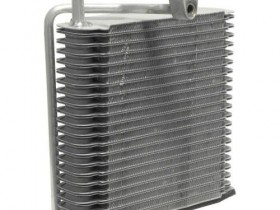
When the summer heat hits, there's nothing quite like stepping into a cool, air-conditioned car. But have you ever wondered how that refreshing blast of cold air is actually generated? The unsung hero behind your vehicle's air conditioning system is a crucial component called the evaporator. In this post, we'll delve into the structure, function, and mechanical principles of the automotive evaporator. We'll also touch upon its supply chain, import factories, and key manufacturers, providing a comprehensive overview for car enthusiasts and industry professionals alike. What is an Evaporator? Looking at the images provided , you can see the evaporator...
Lue lisää
Stacked vs. Manifold Evaporators: Which is Best for Your Car's AC? Höyrystin

Stacked vs. Manifold Evaporators: Which is Best for Your Car’s AC?

The key differences between stacked evaporators and manifold evaporators in car air conditioning systems lie in their structural design, refrigerant flow, and resulting performance characteristics. Stacked Evaporator Stacked-Evaporator Structural Characteristics: A stacked evaporator typically consists of multiple flat, layered heat exchange passages (or primary heat sinks). Heat exchange fins are placed between adjacent layers to increase the heat transfer surface area. The refrigerant flows through these stacked passages either in series or in parallel, connected by ports. Internal structures like flow equalization holes, flow restrictor fins, or internal fins might be present to ensure even refrigerant distribution. Toimintaperiaate: ...
Lue lisää