Mechanical vs. Brazed Radiator Technology: Which Cooler is Right for Your Car? Kühler

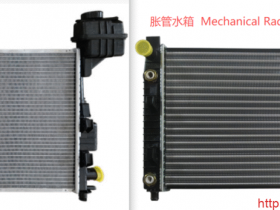
Mechanical vs. Brazed Radiator Technology: Which Cooler is Right for Your Car?

The engine is the heart of a car, and the radiator is its "air conditioner." It is crucial for maintaining stable engine temperature. The mainstream radiator technologies currently on the market are mainly divided into two categories: the Mechanical Radiator and the Brazed Radiator. Brazed-Radiator-VS-Mechanical-Radiator What are the differences between these two types of radiators? Which one is better suited for your vehicle or your business needs? This article will provide an in-depth analysis from the perspectives of product attributes, performance, lifespan, and global trends. 🛠️ Product Attribute Comparison: Mechanical vs. Brazed AttributeMechanical RadiatorBrazed RadiatorAppearance/StructureConnected using a mechanical expansion process;...
Mehr lesen
Restore Cooling Power: BMW A/C Condenser with Receiver-Drier (OE 64 50 9 122 825) APCF-88-28001 Kondensator

Restore Cooling Power: BMW A/C Condenser with Receiver-Drier (OE 64 50 9 122 825) APCF-88-28001

Restore Cooling Power: BMW A/C Condenser with Receiver-Drier (OE 64 50 9 122 825) APCF-88-28001 If your BMW’s air conditioning has been losing efficiency, blowing warm air, or putting extra strain on the compressor, the culprit may be a failing condenser. The A/C condenser with integrated receiver-drier – BMW OE part 64 50 9 122 825 (6450.9.122.825) – is the direct-fit solution to bring back reliable cooling performance. APCF-88-28001-right Why This Part Matters The condenser is the heart of your A/C’s heat exchange process. When it clogs or leaks, refrigerant can’t properly cycle, resulting in weak cooling and potential compressor...
Mehr lesen
Verdampferkern für BMW 5 & 7 Serie (G30/G38/G12) Verdampfer

Verdampferkern für BMW 5 & 7 Serie (G30/G38/G12)

Verdampferkern für BMW 5 & 7 Serie (G30/G38/G12) APCF-66-28012-side Einführung Die Klimaanlage in Ihrem Auto ist für ein komfortables Fahrerlebnis unerlässlich. Eine kritische, aber oft übersehene Komponente ist der Verdampferkern, der als Wärmetauscher fungiert, ähnlich einem Heizkörper. Im Gegensatz zu einem Kühler, der den Motor kühlt, Der Verdampferkern kühlt die Luft im Passagierraum. Es nutzt ein zirkulierendes Kältemittel, um Wärme und Feuchtigkeit aus der Luft zu absorbieren, Dadurch wird der Innenraum Ihres Autos effektiv kühl und trocken. Wenn Sie bemerken, dass Ihre Klimaanlage keine kalte Luft mehr bläst oder ....
Mehr lesen
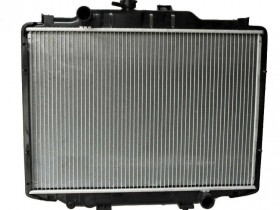
Halten Sie Ihren MITSUBISHI DELICA kühl: Der richtige Heizkörper für Sie 87-93 MT (Sie sind SW600045) Kühler

Halten Sie Ihren MITSUBISHI DELICA kühl: Der richtige Heizkörper für Sie 87-93 MT (Sie sind SW600045)

Halten Sie Ihren MITSUBISHI DELICA kühl: Der richtige Heizkörper für Sie 87-93 MT (Sie sind SW600045) APCF-72001-radiator-front If you're a proud owner of a classic Mitsubishi Delica, you know how important it is to keep this legendary vehicle in top running condition. Whether you use your Delica for daily driving, family adventures, or off-road overlanding, a reliable cooling system is non-negotiable. Today, we're focusing on a critical component for your van's longevity: the radiator. Specifically, we're introducing a high-quality replacement radiator designed for the 1987-1993 MITSUBISHI DELICA with a manual transmission (MT) and the 16-valve engine. Why This Radiator is the Right...
Mehr lesen
Unleash Your Ride's Potential: The APCF-52259 Oil Cooler for Modified and Tuning Cars Ölkühler

Unleash Your Ride’s Potential: The APCF-52259 Oil Cooler for Modified and Tuning Cars

APCF-52259 (5) Introduction: For those who live life a quarter mile at a time, or simply demand the absolute best from their vehicles, maintaining optimal engine oil temperature is paramount. The APCF-52259-5 oil cooler is specifically designed for the demands of modified cars and tuning cars. Pushing your engine to its limits generates significant heat, and this crucial component ensures your oil stays cool, protecting vital engine parts and maximizing performance. Let's delve into what makes this oil cooler an essential upgrade for your high-performance build. What is the APCF-52259 Oil Cooler for Modified/Tuning Cars? The APCF-52259 is a high-performance...
Mehr lesen
Boost Your Ride: Diving Deeper into Your Nissan Navara NP300 Intercooler (Part No. 14461VMO0A) Ladeluftkühler

Boost Your Ride: Diving Deeper into Your Nissan Navara NP300 Intercooler (Part No. 14461VMO0A)

If you own a Nissan Navara NP300 2.5TDI, you might be familiar with the part number 14461VMO0A. This crucial component is your vehicle's intercooler, playing a vital role in the performance and efficiency of your turbo diesel engine. APCF-56-73000-front What is an Intercooler and Why is it Important? In a turbocharged engine, the air that's forced into the cylinders by the turbocharger gets heated up significantly. Hot air is less dense, meaning it contains less oxygen. The intercooler acts as a radiator for this compressed air, cooling it down before it enters the engine. The benefits of a properly functioning...
Mehr lesen
A Deep Dive into the Automotive Heater Core: Sourcing and Manufacturing in China Heizkern

A Deep Dive into the Automotive Heater Core: Sourcing and Manufacturing in China

When the temperatures drop, your car's heating system becomes a crucial part of your daily comfort. At the heart of this system is the automotive heater core, a small but mighty heat exchanger that transfers warmth from your engine's coolant to the air entering your cabin. But have you ever wondered where this essential component comes from and how it's made? Let's take a look at the journey of an automotive heater core, with a specific focus on its dominant source: China. What is an Automotive Heater Core and How Does it Work? APCF-6284008-front The heater core is a small...
Mehr lesen
Powering Your Ride's Cool: Ein tiefer Eintauchen in den Automobilkondensator Kondensator

Mit kühlem Fahren die Fahrt mit Strom versorgen: Ein tiefer Eintauchen in den Automobilkondensator

When the summer heat hits, there's one unsung hero in your car's air conditioning system that keeps you cool: the automotive condenser. Often mistaken for a radiator, this crucial component plays a vital role in transforming hot refrigerant gas into a cooler liquid, making your cabin a comfortable oasis. But what exactly is an automotive condenser, how is it made, and where do these essential parts come from? Let's take a closer look. TOYOTA-ALTIS-AC-CONDENSER What is an Automotive Condenser and Why is it Essential? The automotive condenser is a heat exchanger located typically at the front of your vehicle, often...
Mehr lesen
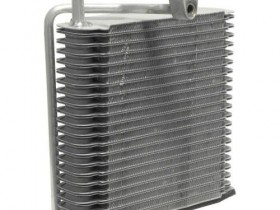
Den Verdampfer verstehen: Der unbesungene Coolness-Held Ihres Autos Verdampfer

Den Verdampfer verstehen: Der unbesungene Coolness-Held Ihres Autos

When the summer heat hits, there's nothing quite like stepping into a cool, air-conditioned car. But have you ever wondered how that refreshing blast of cold air is actually generated? The unsung hero behind your vehicle's air conditioning system is a crucial component called the evaporator. In this post, we'll delve into the structure, function, and mechanical principles of the automotive evaporator. We'll also touch upon its supply chain, import factories, and key manufacturers, providing a comprehensive overview for car enthusiasts and industry professionals alike. What is an Evaporator? Looking at the images provided , you can see the evaporator...
Mehr lesen
Röhrendröhre vs. Plattenfeinkühler: Schlüsselunterschiede & Anwendungen Kühler

Röhrendröhre vs. Plattenfeinkühler: Schlüsselunterschiede & Anwendungen

Tube-fin radiators and Plate-fin radiators are two common types of heat exchangers, unterscheiden sich deutlich in ihrem Aufbau und ihren typischen Anwendungen. Tube-Fin Radiator PA Radiator Structural Characteristics: Kühlrohre: Besteht im Wesentlichen aus abgeflachten Kühlrohren, durch die das Kühlmittel fließt. Wärmeableitungsrippen: Zwischen den Kühlrohren werden gewellte oder gefaltete Lamellen angebracht, Vergrößerung der Wärmeübertragungsfläche. Panzer: Hat normalerweise zwei Tanks (entweder seitlich oder oben/unten) die die Kühlrohre verbinden, einen Zirkulationsweg für das Kühlmittel bilden. Materialien: Üblicherweise aus Kupfer oder Aluminium hergestellt, mit Bauteilen, die durch Löten oder ähnliche Verfahren miteinander verbunden werden. Funktionsprinzip: Kühlmittel (such as...
Mehr lesen